
Beat the Sizzle: The Complete Guide to Preparing Your RV for Extreme Arizona Heat

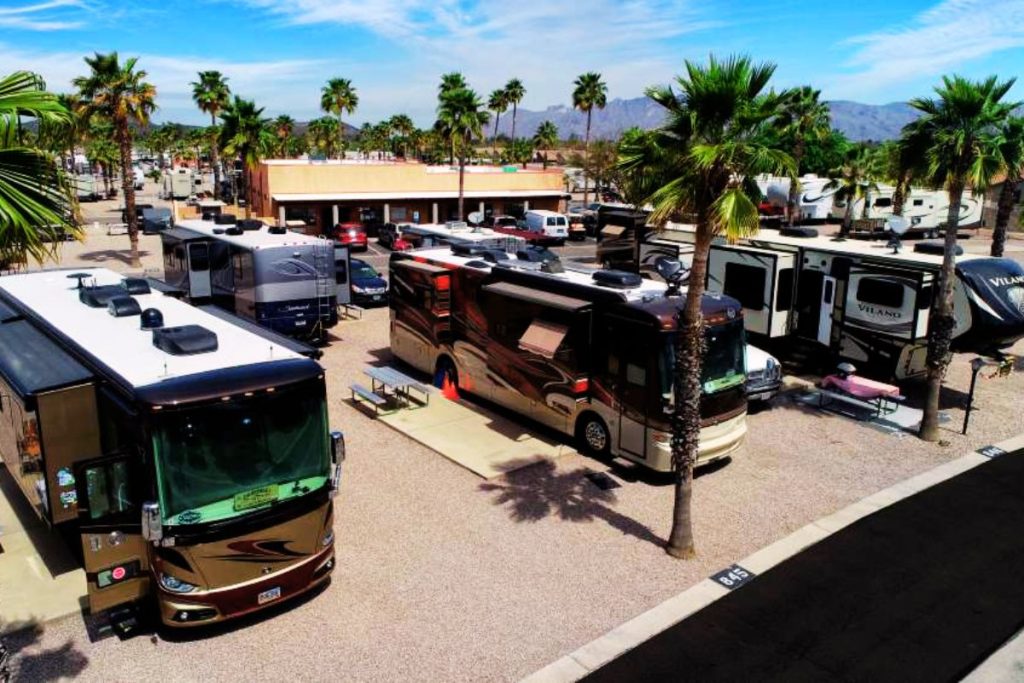
Arizona is a land of breathtaking sunsets, towering saguaros, and landscapes that look like they belong on a postcard. However, as any seasoned traveler knows, the desert sun is as relentless as it is beautiful. When temperatures climb into the triple digits, your rig becomes a metal box sitting in a giant oven.
Whether you are staying for the season or just passing through, knowing how to prepare your RV for Arizona heat is the difference between a relaxing getaway and a mechanical nightmare. To truly enjoy the best of Arizona RV resort living, you need a strategy that keeps your equipment running and your living space cool.
1. Optimize Your Cooling System
Your air conditioning (AC) unit is your most important ally. In the desert, it doesn’t just provide comfort—it provides safety.
-
Clean the Coils: Dust and debris from the desert floor can clog your AC coils, forcing the motor to work twice as hard. Clean them before the heat peaks.
-
Check the Filters: In Arizona, dust is a constant companion. Check your internal AC filters every two weeks. A clean filter improves airflow and keeps the unit from freezing up.
-
The “20-Degree Rule”: Understand that most RV AC units are designed to cool the interior about 20 degrees lower than the outside temperature. If it is 110°F outside, your AC is doing a hero’s job if it keeps the inside at 90°F. Manage your expectations and supplement with fans.
2. Shield Your Windows and Skylights
Glass is the biggest enemy of a cool RV interior. Radiant heat pours through windows, quickly overwhelming your AC.
-
Reflective Insulation: Use custom-cut reflective insulation (like Reflectix) in every window. It looks like silver bubble wrap and acts as a shield, bouncing the sun’s rays back outside before they can heat up your upholstery.
-
Skylight Covers: Don’t forget the shower skylight. These are often uninsulated and act as “heat chimneys.” Foam pillows designed specifically for RV vents can block this heat effectively.
-
Blackout Curtains: Heavy, thermal-lined curtains add an extra layer of defense and help keep the cool air where it belongs: inside.
3. Maintenance Under the Hood and On the Roof
The desert heat doesn’t just affect the cabin; it attacks the structural and mechanical integrity of your rig.
Battery Health
Heat is actually harder on batteries than cold. Check your water levels frequently if you have lead-acid batteries, as the high temperatures can cause the liquid to evaporate. Ensure your connections are clean and tight to prevent overheating at the terminals.
Tire Pressure and UV Protection
The Arizona sun is notorious for “dry rotting” tires. The UV rays break down the rubber compounds, leading to dangerous sidewall cracks.
-
Use Tire Covers: If you are parked for more than a day or two at a resort like Rincon Country, put covers on your tires.
-
Monitor Pressure: Heat causes air to expand. Check your tire pressure in the morning when the rubber is cool to get an accurate reading before you hit the road.
4. Exterior Strategy: Shade and Airflow
Where you park and how you set up your site can drastically change your internal temperature.
-
Orientation Matters: If possible, park so that your “awning side” faces the afternoon sun (the west). This creates a large shaded buffer zone for your entryway.
-
Ventilation: Use roof vent covers (like MaxxAir) that allow you to keep vents open even during a monsoon rain, helping hot air escape the ceiling area.
-
Fridge Management: Your RV refrigerator struggles in extreme heat. If the fridge vent is on a wall that is baking in the sun, it will lose efficiency. Ensure the exterior vent is clear of obstructions, and consider adding a small 12V fan to the exterior fridge compartment to move hot air out.
5. Staying Healthy and Hydrated
Preparing the vehicle is only half the battle; you also have to prepare the passenger. Sustaining healthy RV lifestyle routines during the summer months requires a shift in perspective.
Avoid strenuous outdoor activities between 10:00 AM and 4:00 PM. Instead, take advantage of the early morning hours for hiking or biking. Hydration in the desert is a proactive task—if you wait until you are thirsty, you are already behind. Keep a gallon of water accessible at all times and supplement with electrolytes to replace what you lose through perspiration.
6. The “Soft” Prep: Lifestyle Adjustments
Sometimes the best way to beat the heat is to change your habits inside the rig.
-
Cook Outside: Avoid using the indoor oven or stove. Use an outdoor grill or an electric pressure cooker under your awning to keep the heat out of the kitchen.
-
LED Lighting: If you haven’t switched to LED bulbs yet, now is the time. Traditional incandescent bulbs give off a surprising amount of heat.
-
Close the Slide-outs: If you are struggling to keep the main living area cool, consider bringing in one or more slide-outs. This reduces the total square footage your AC needs to cool and eliminates the thin, uninsulated “roof” sections of the slides.
Living the Desert Dream Safely
Arizona is one of the most rewarding places to explore, offering a unique blend of rugged beauty and luxury amenities. By taking the time to prepare your RV for Arizona heat, you protect your investment and ensure that your time in the desert is spent making memories rather than managing a meltdown.
From the quiet mornings to the vibrant social atmosphere of a premier resort, the desert is waiting. Just make sure you—and your rig—are ready for the sun.